
ABOK
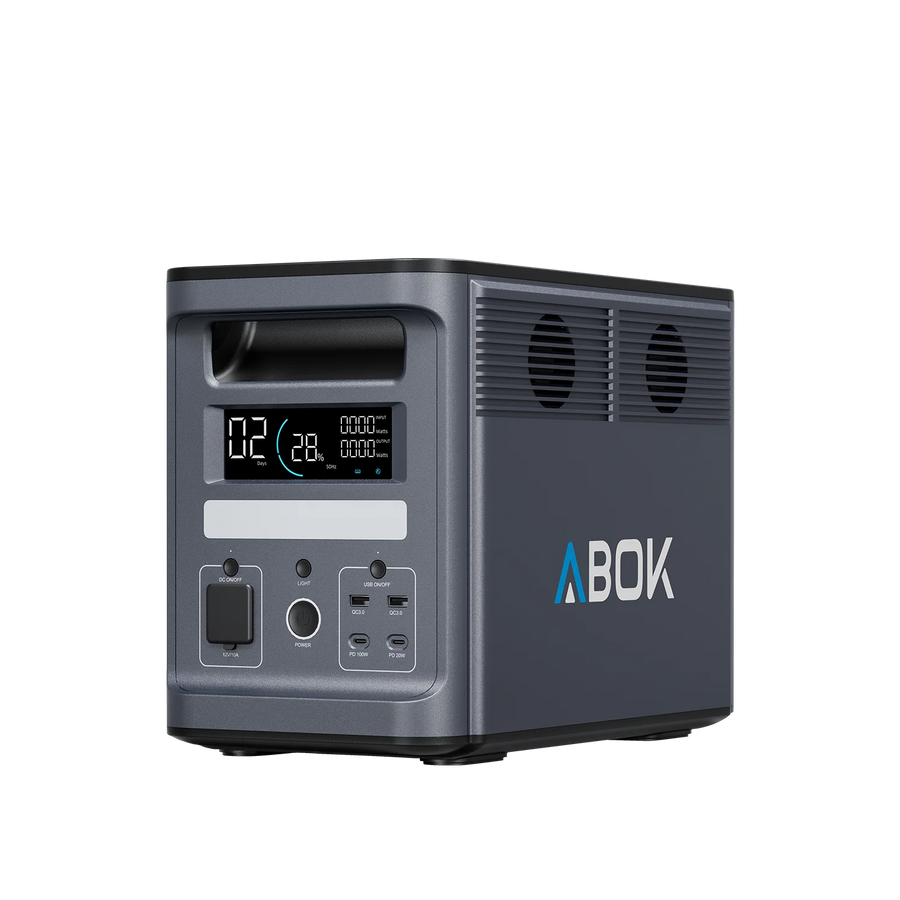
Ark2000
1,536 WhBattery capacity
2,000 WAdvertised AC output
18 kg
EU EUR€569
Shortlist the Ark2000 for solar charging and a larger energy budget on a modest budget; accept the 18 kg lift.
Search models and articles. Refine the station results by the limits that matter to you.
Missing or uncertain figures appear last.
Prices are dated store observations; each model page shows its check dates. Use “Sort by” to compare price, weight or capacity. Brands cannot pay for a higher position. Research standard.
Shortlist the Ark2000 for solar charging and a larger energy budget on a modest budget; accept the 18 kg lift.
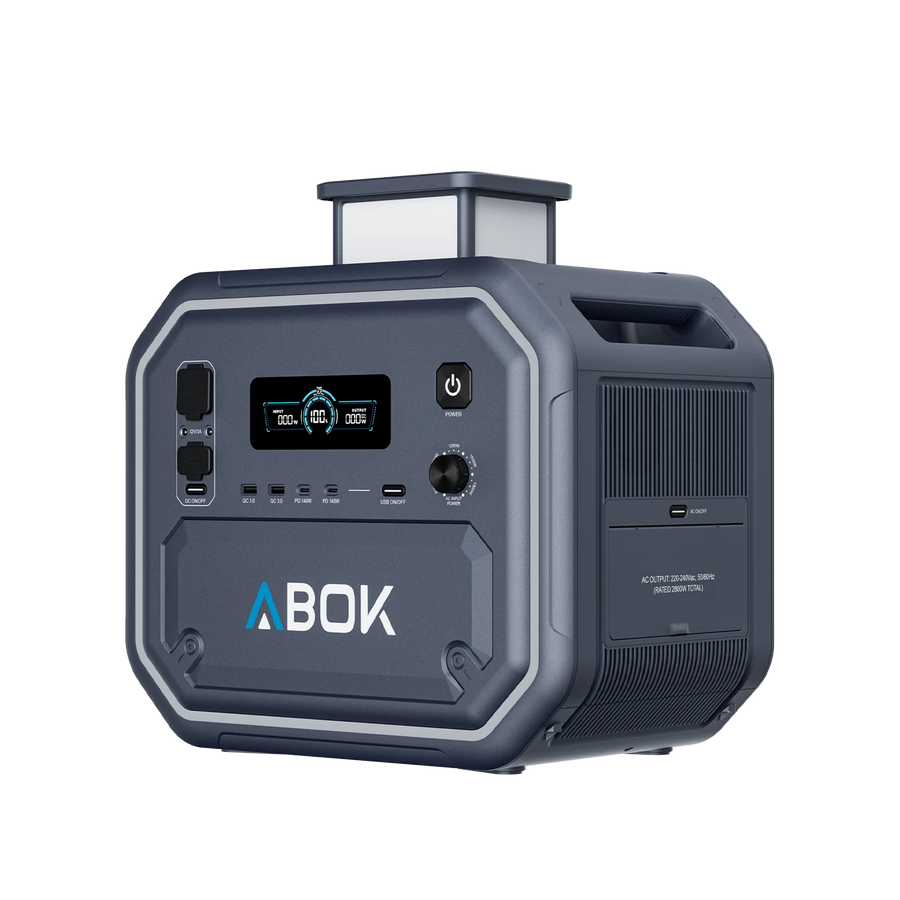
The Ark2800 is a capacity-first option for a setup moved infrequently. We would not select it for a demanding appliance on the headline watt figure alone.
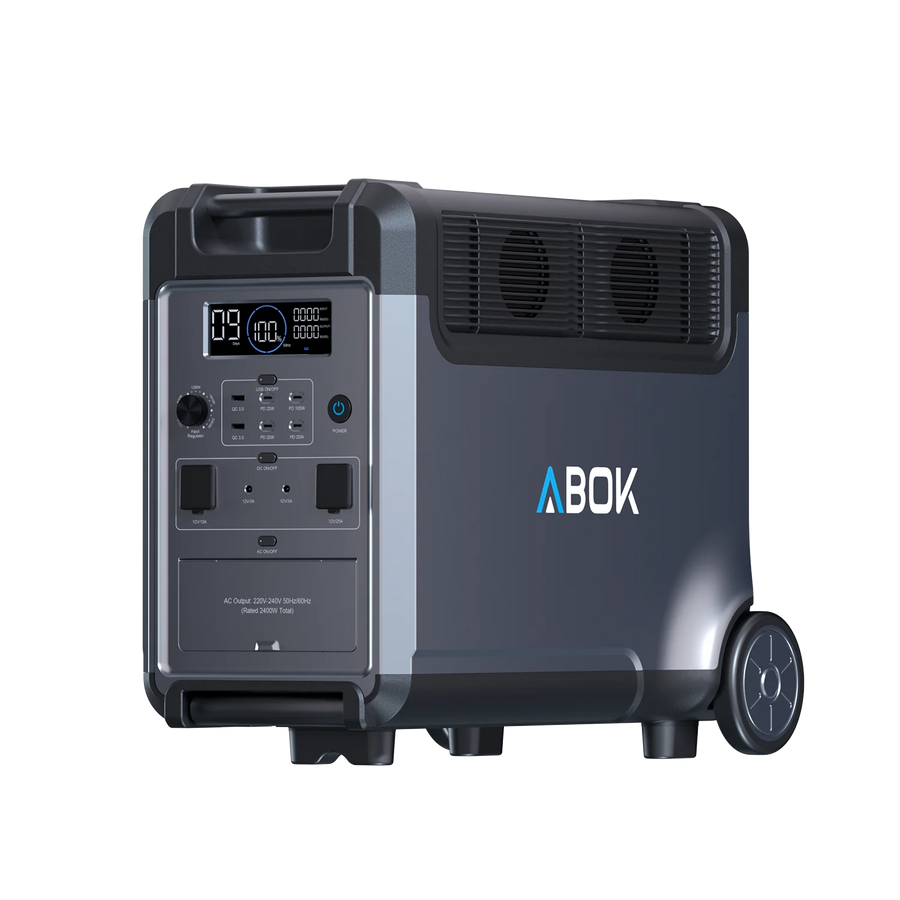
Choose this size for a large energy budget, not for the model number: the Ark3600 holds nearly four times the energy of the Elux 1.
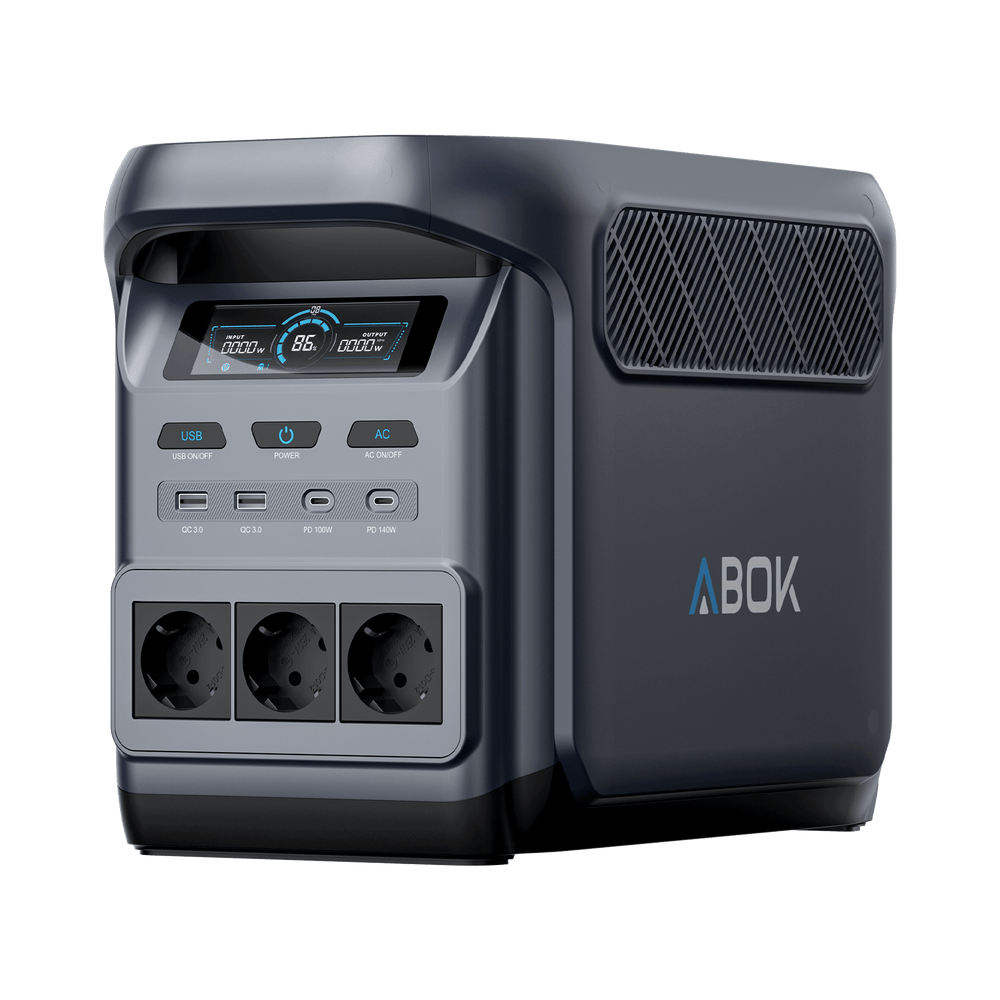
For mains-recharged trips, the Elux 1 is worth comparing with other 1 kWh stations. We would hold off on choosing it for a solar-led setup.

Choose it only when its charging setup or complete offer justifies the heavier carry; the Jackery 1000 v2 is our lighter starting point.
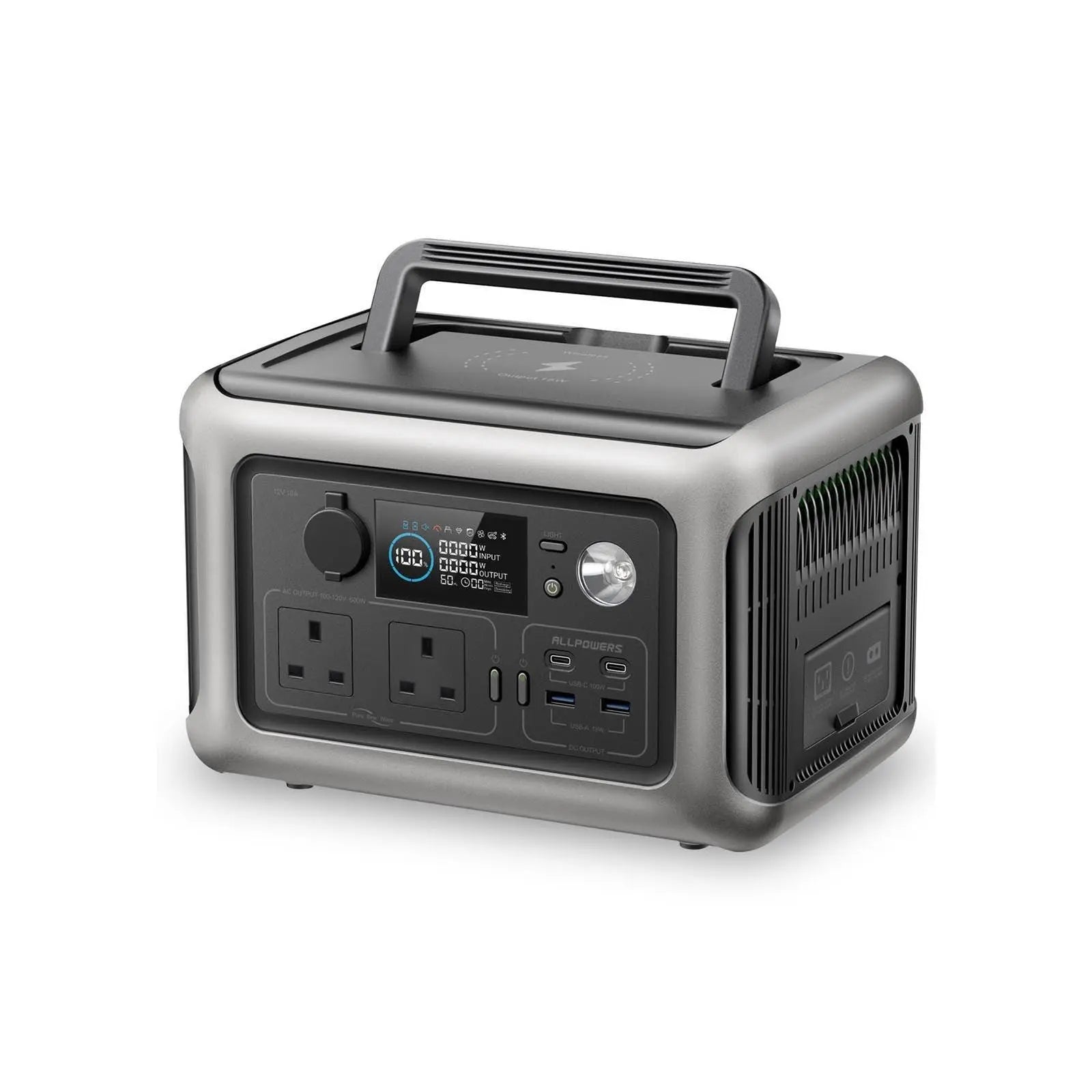
For a purchase based on low weight, choose the Elite 30 V2 first; consider the R600 if its ports and complete offer suit you better.
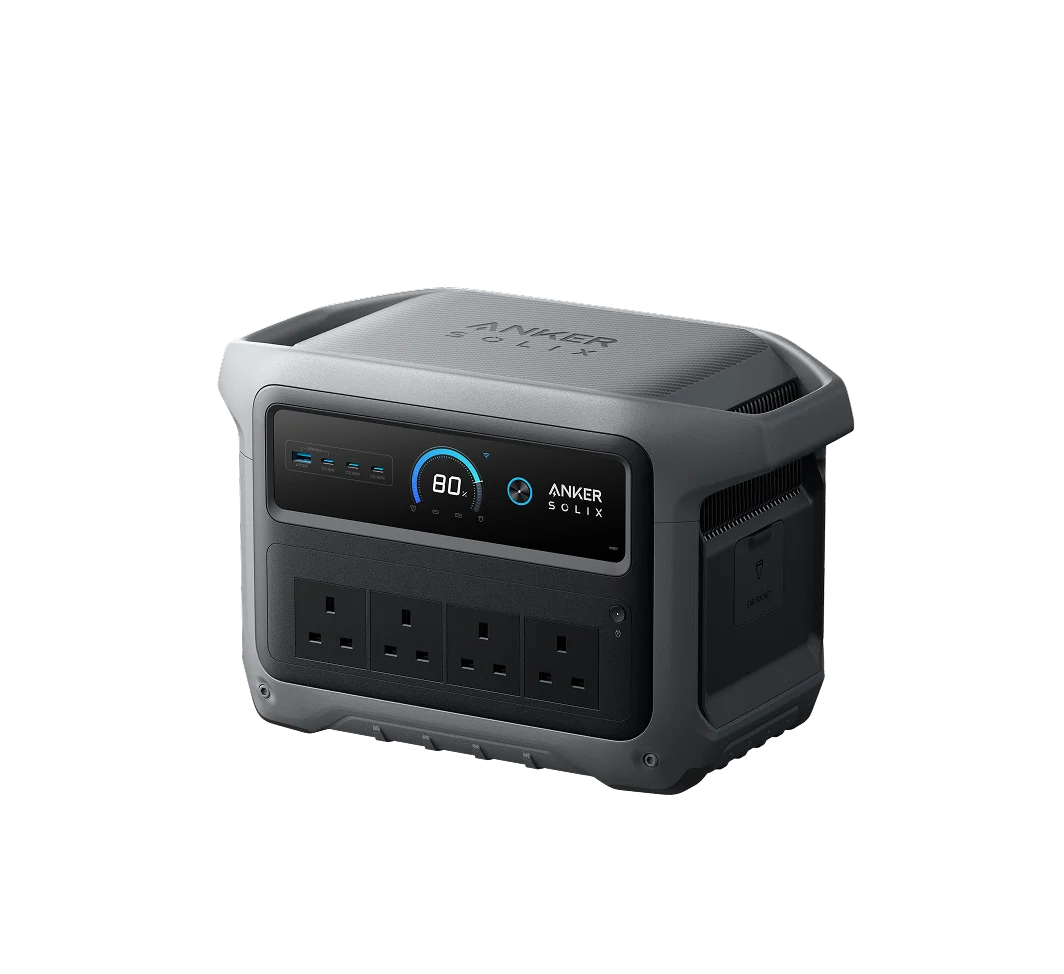
Shortlist it for higher running loads, but settle the regional AC specification before ordering a UK unit.
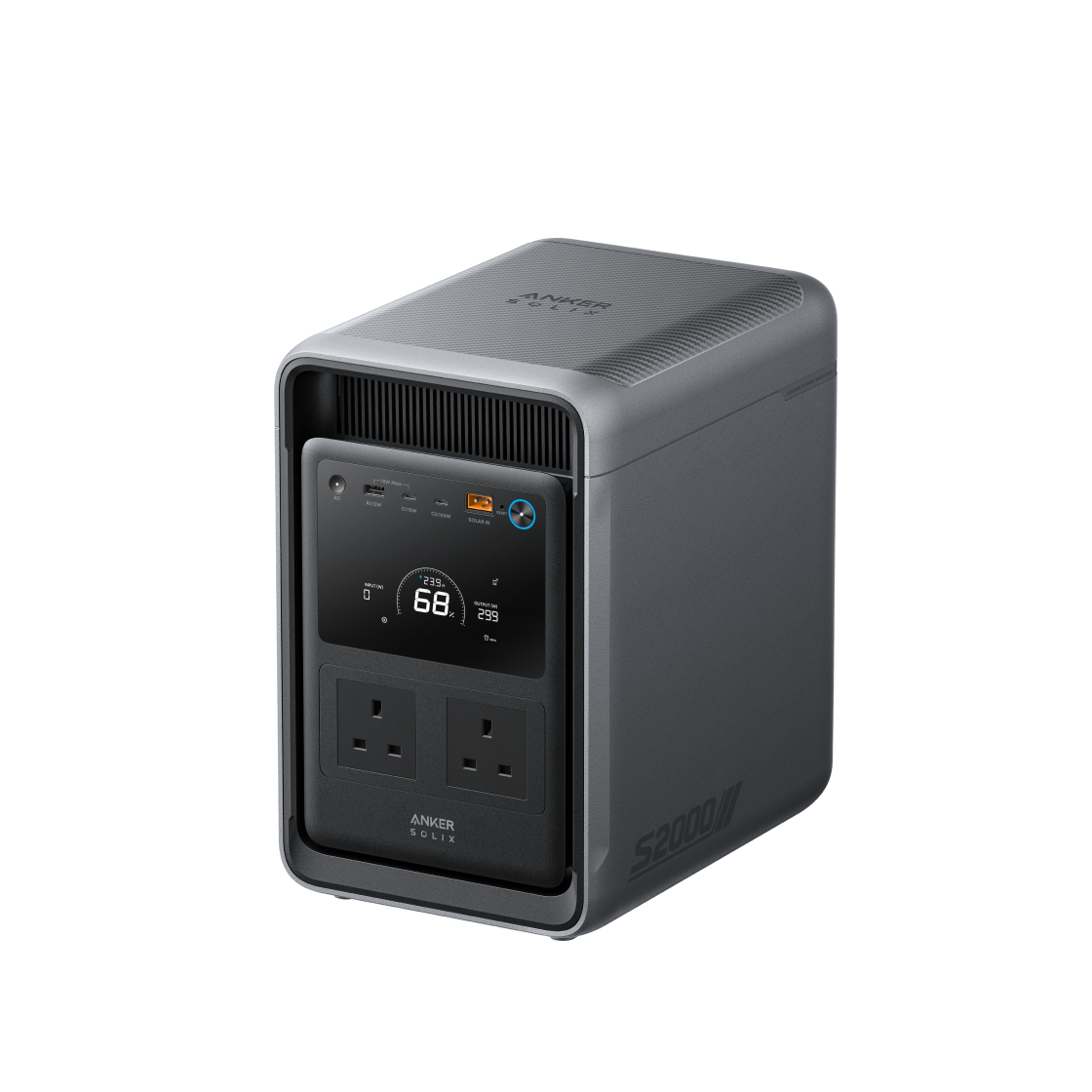
For longer use with lower-power equipment; a 2,000 W appliance exceeds its 1,500 W AC rating.
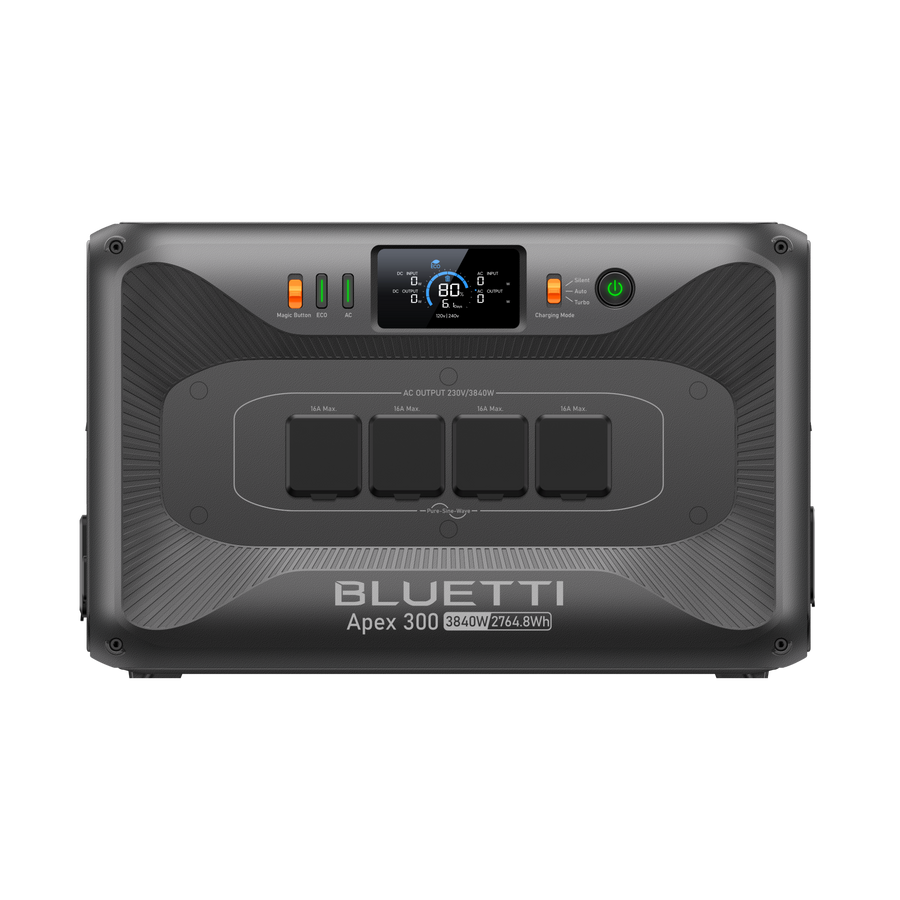
Choose the Apex 300 for its higher output when lighter stations cannot cover the load; skip it for ordinary portable electronics.
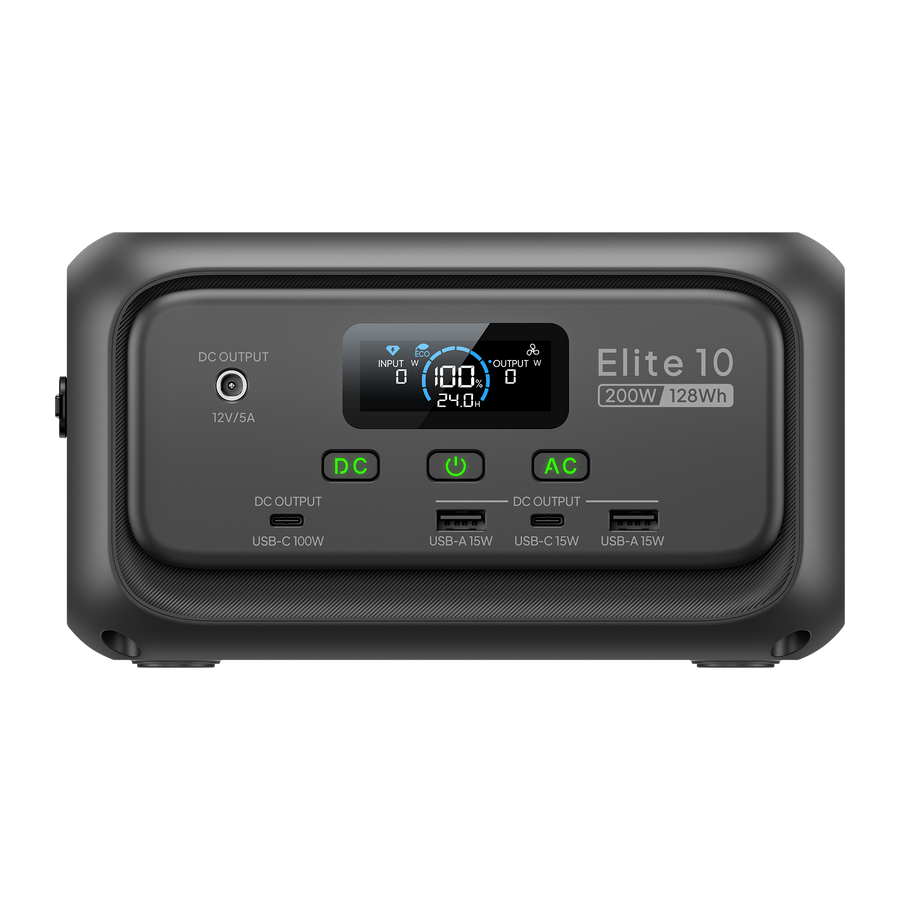
Choose it only when a small battery and an AC outlet cover the job; step up to the Jackery 240 v2 for twice the energy.
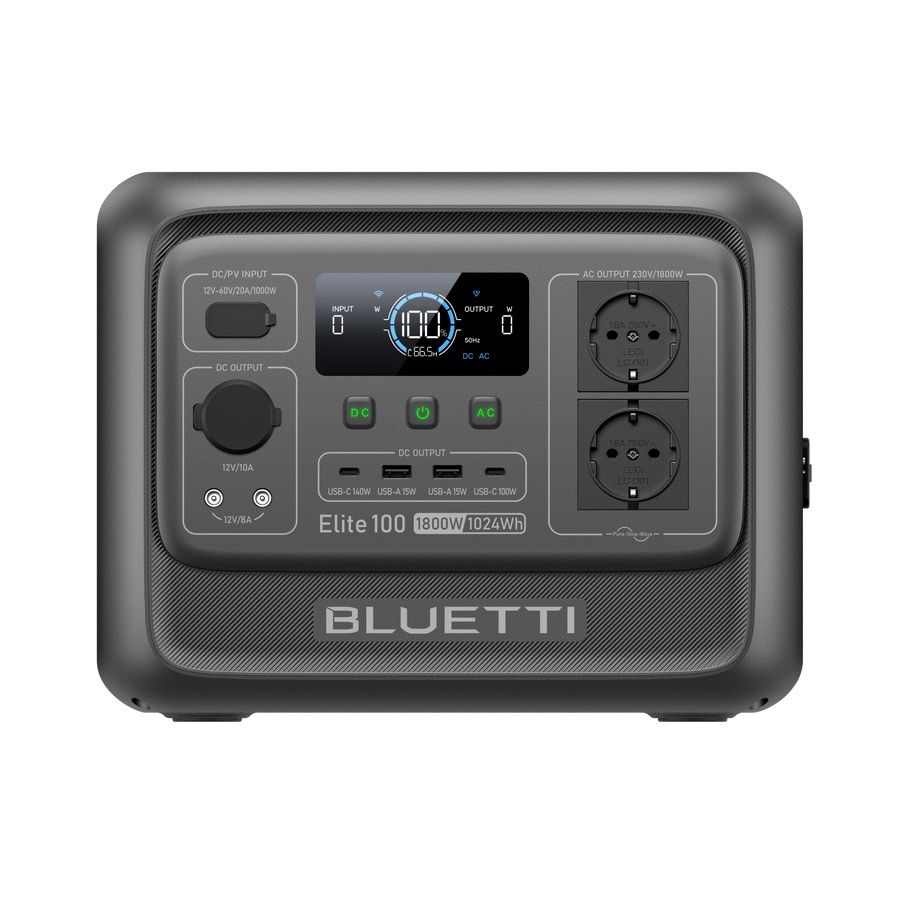
Choose it for higher running loads and a larger solar setup; choose the Jackery when the lighter carry matters more. Check the latest local offers before deciding on value.

Choose the Elite 200 V2 when 2 kWh is enough but the Jackery 2000 v2’s 2,200 W rating is too low.
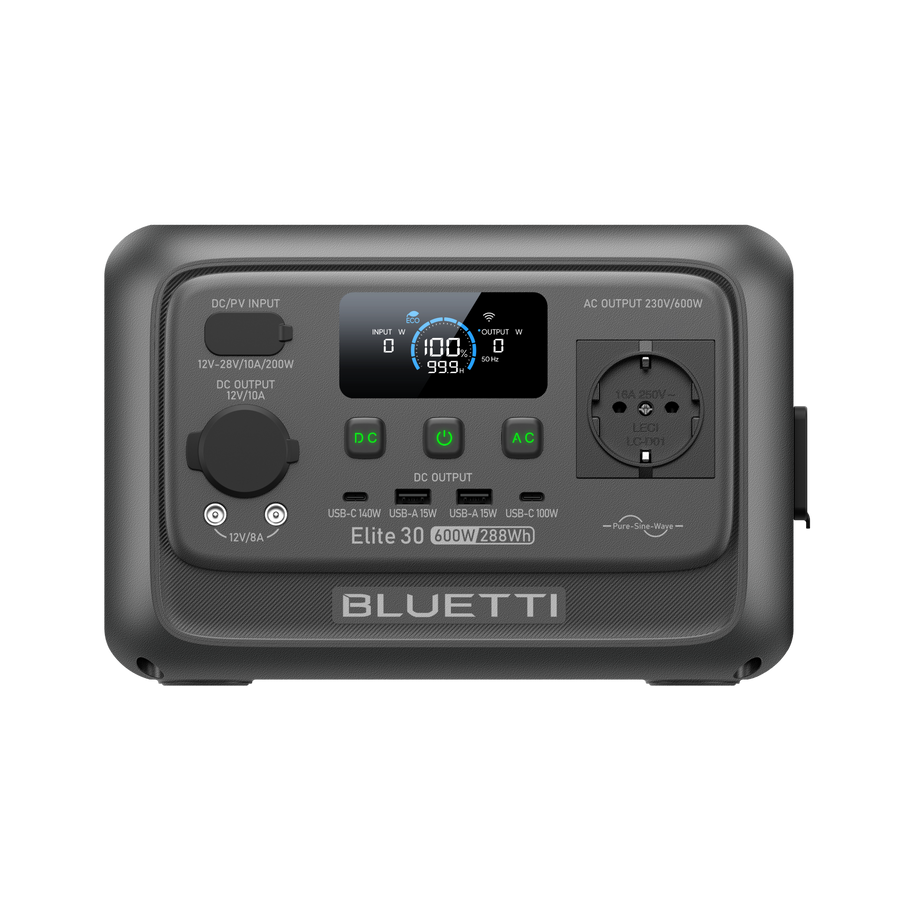
Choose it for short sessions with modest energy needs. For a longer trip, start with a 512 Wh station instead.
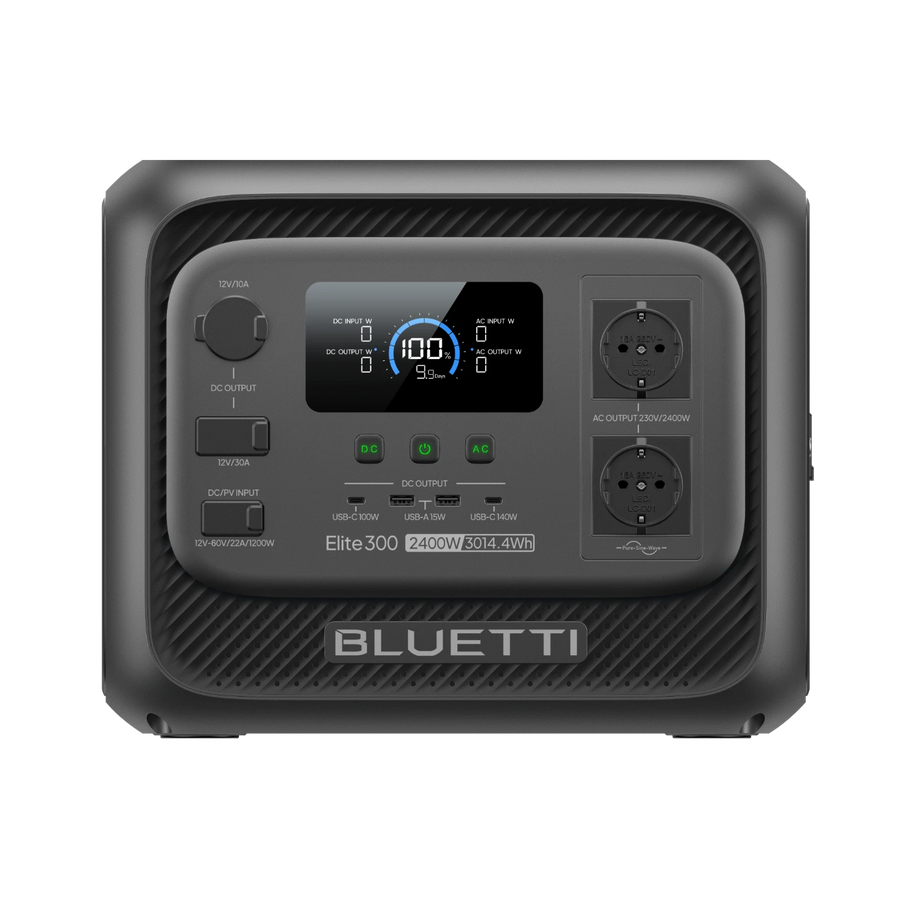
Choose it for longer gaps between charges, when a heavy lift is an acceptable trade-off.
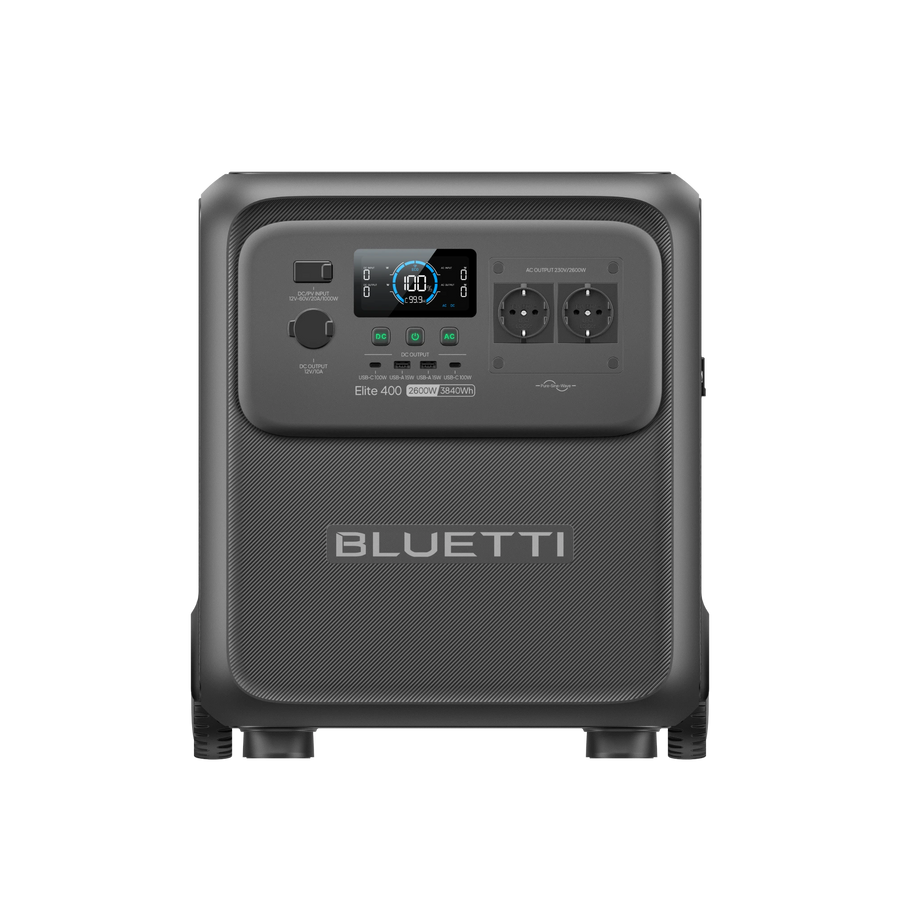
Choose the Elite 400 when the Elite 300’s battery is too small; choose the smaller station when it already covers your energy budget.
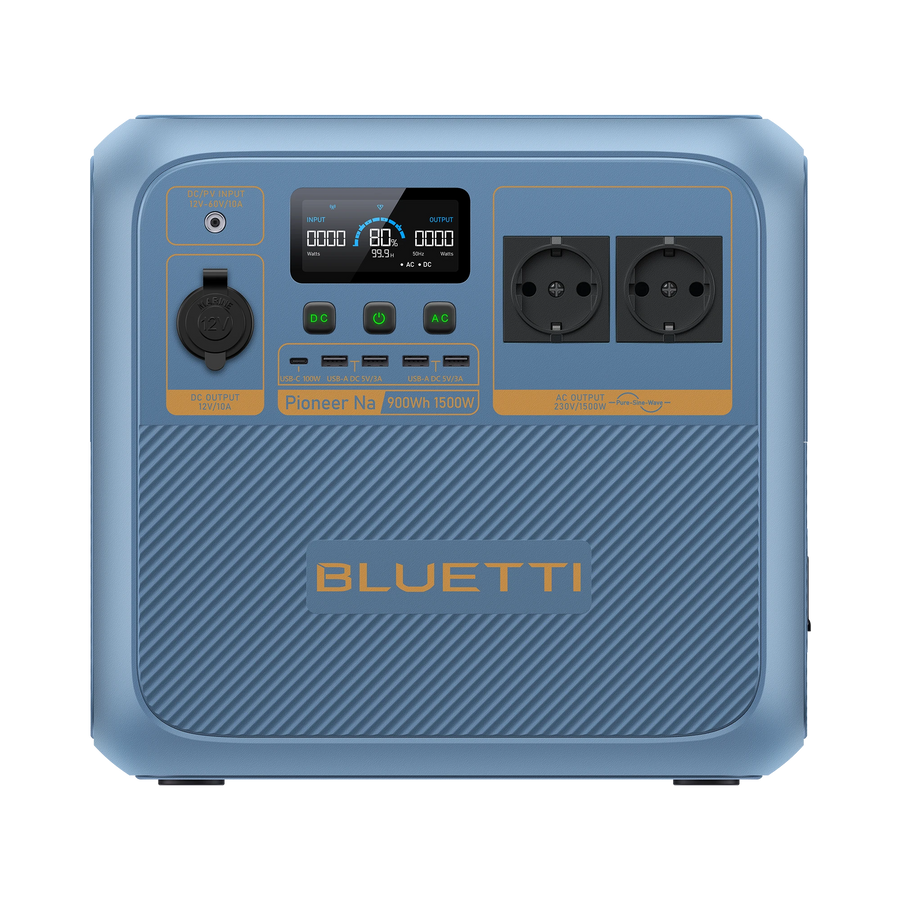
Keep it on a technology watchlist rather than an immediate buying shortlist while a current local offer remains unverified.
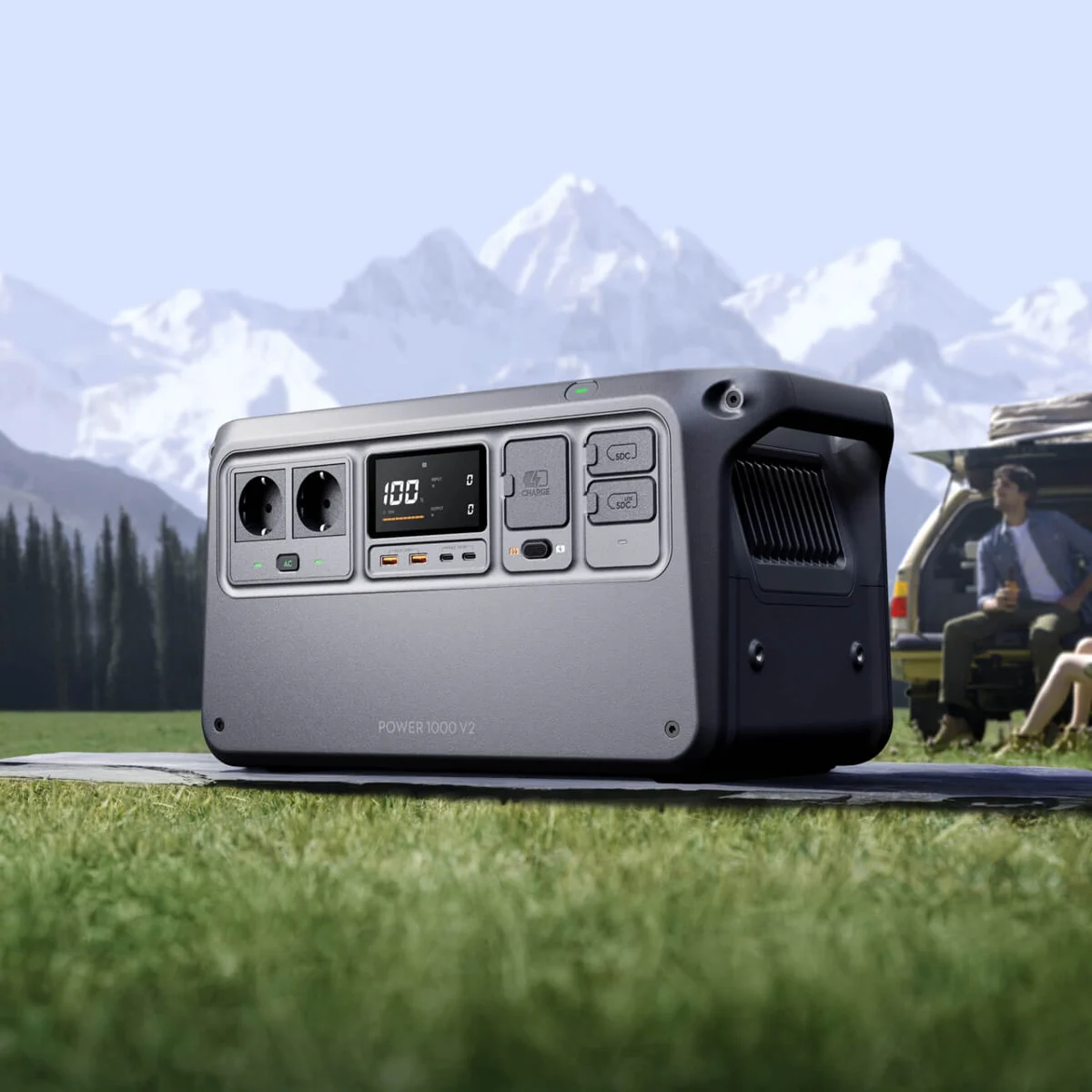
Choose it when its output or a compatible DJI charging accessory solves a specific need. For ordinary electronics and frequent carrying, start with the lighter Jackery 1000 v2.
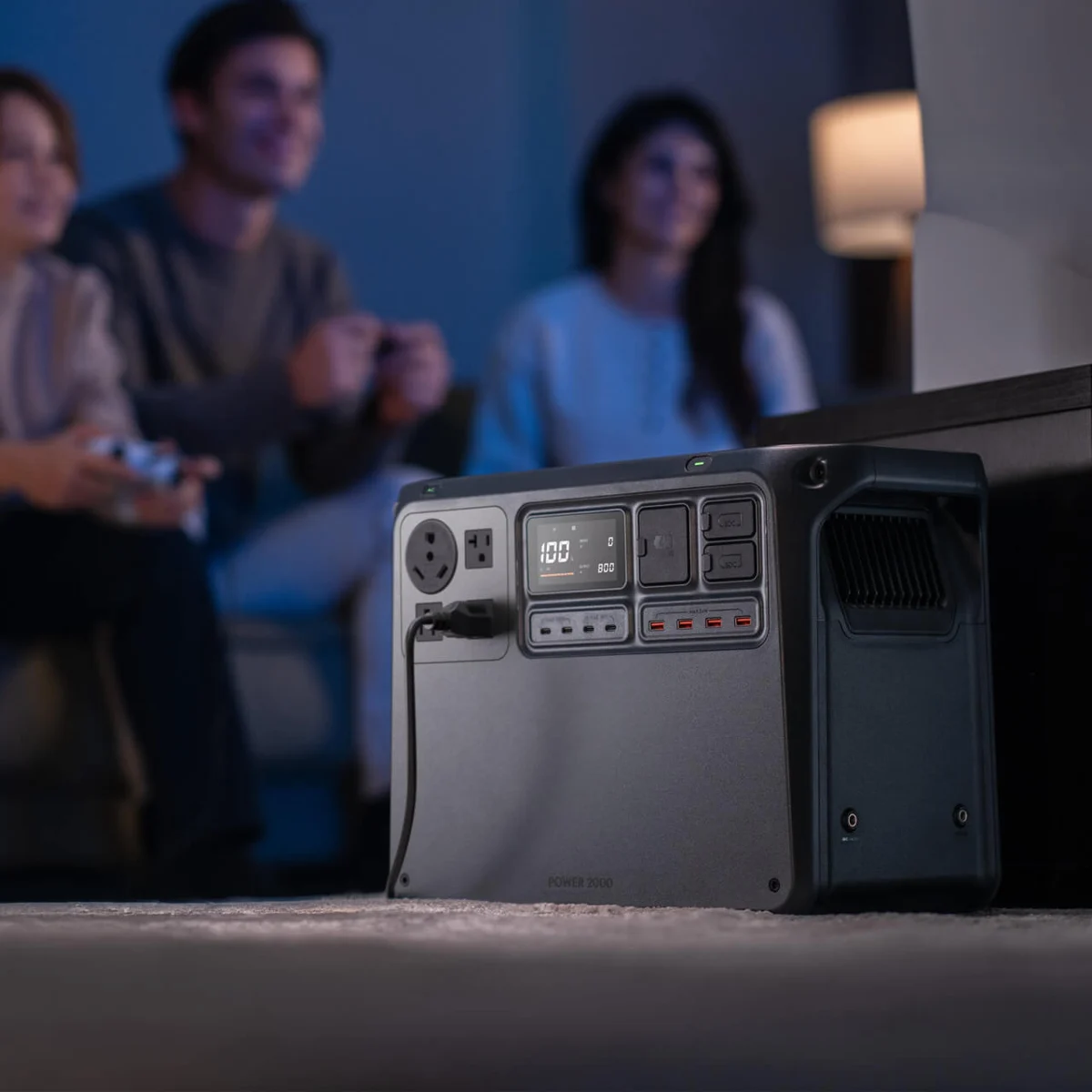
Choose it for a 2 kWh setup that needs more output than the Jackery 2000 v2; include DJI’s optional charging accessories in the cost.
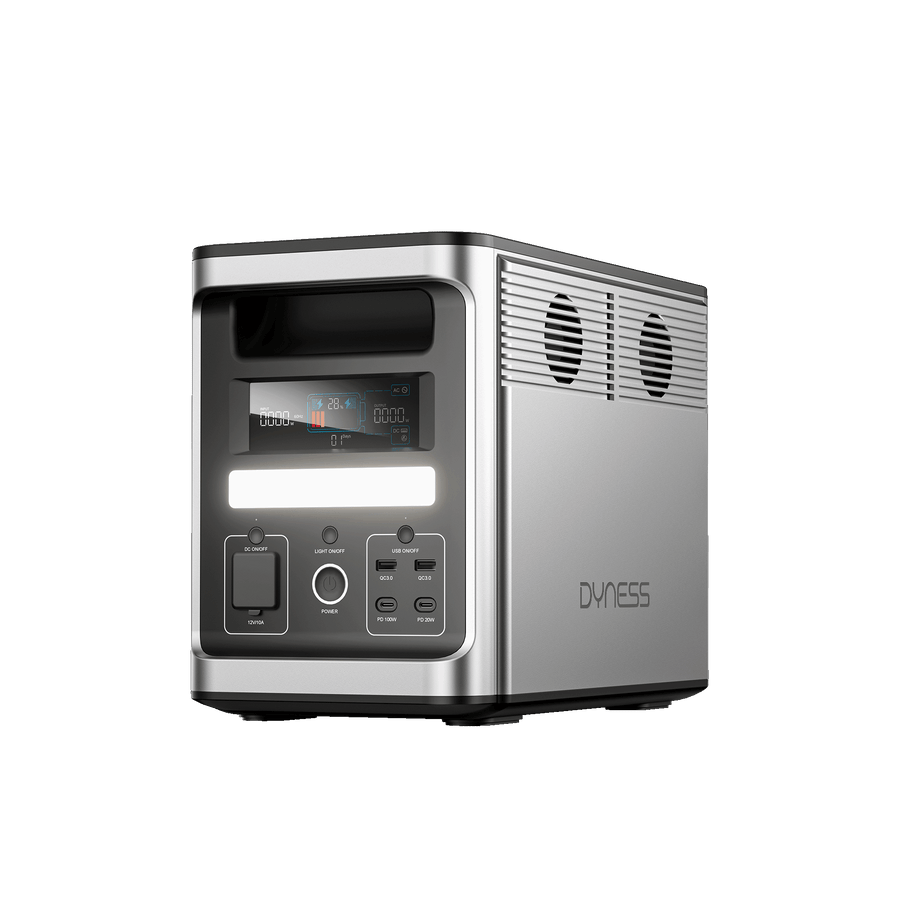
Start with the PPS1800 when 1,536 Wh covers the gap between charges. Step up to the PPS2400 for more stored energy, rather than buying the larger model by default.
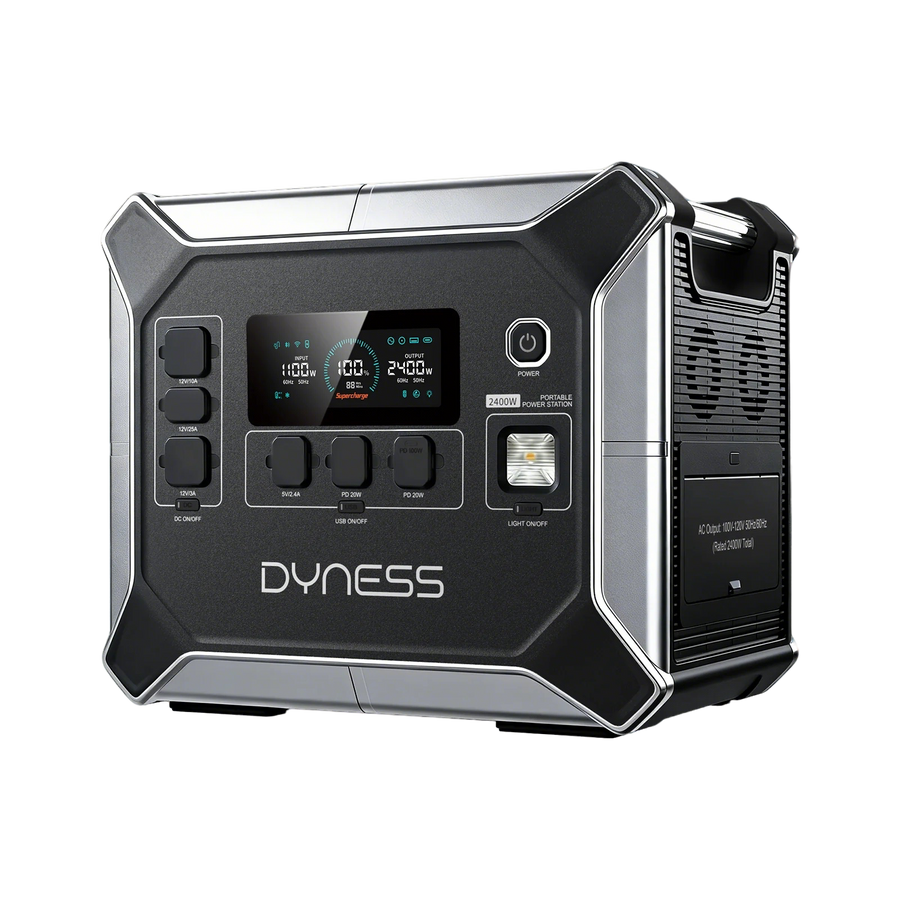
Pick the PPS2400 over the PPS1800 when the extra 512 Wh solves a real energy shortfall. For a smaller daily load, start with the PPS1800.
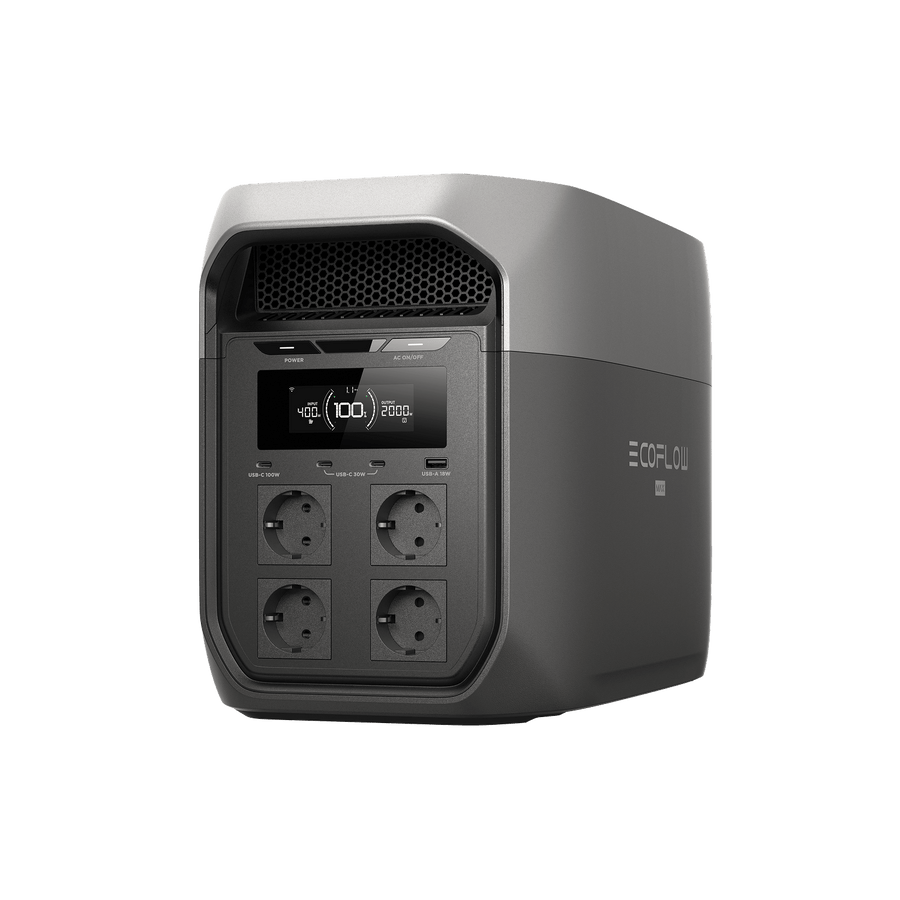
Choose the Max when its 1.8 kg weight saving matters more than the Max Plus’s higher output and solar input. Check current ordering and delivery options.
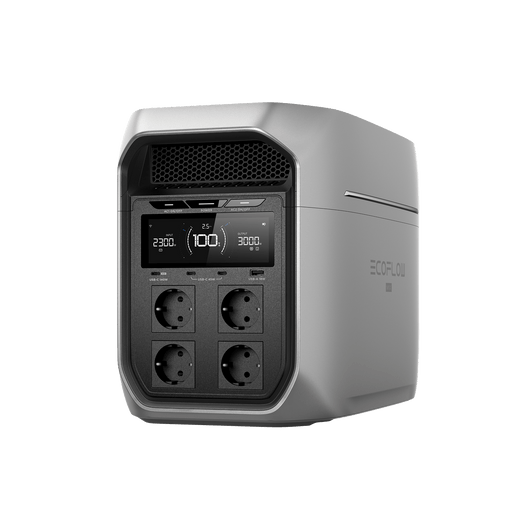
Choose the Plus for higher running loads or a larger solar setup, if its 22.1 kg weight suits you. Check the current price and delivery options.
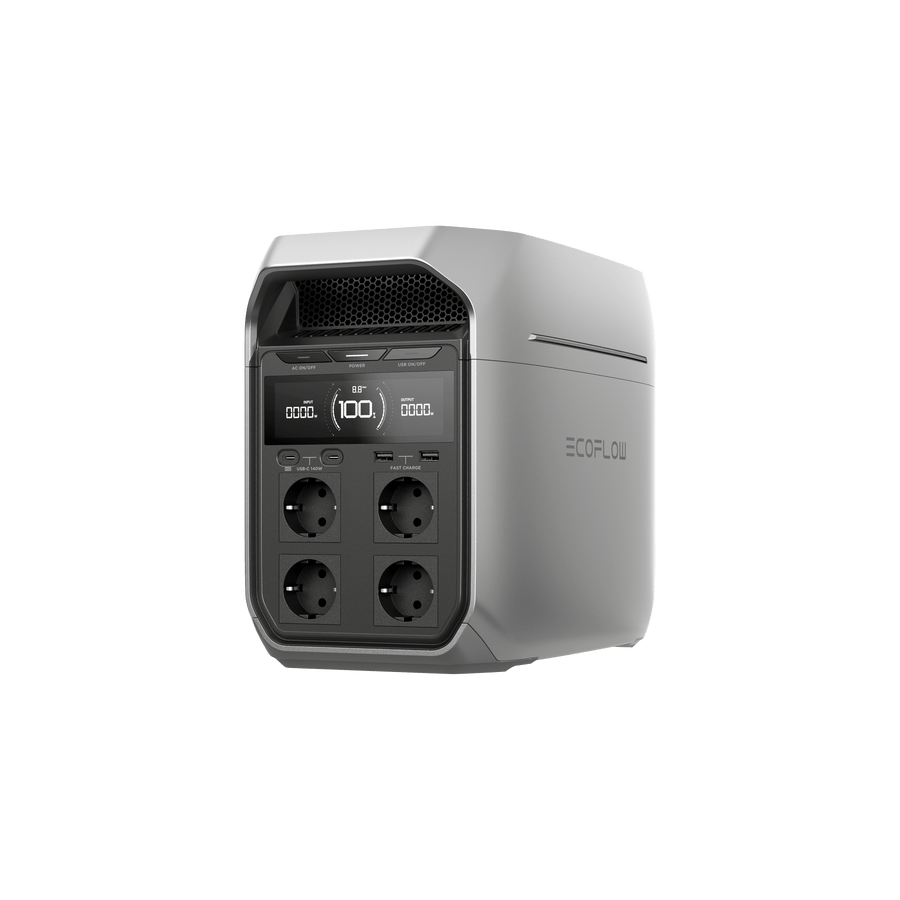
Choose the DELTA 3 Plus for a larger compatible solar array or its supported expansion route; start with Jackery 1000 v2 for lighter carrying.
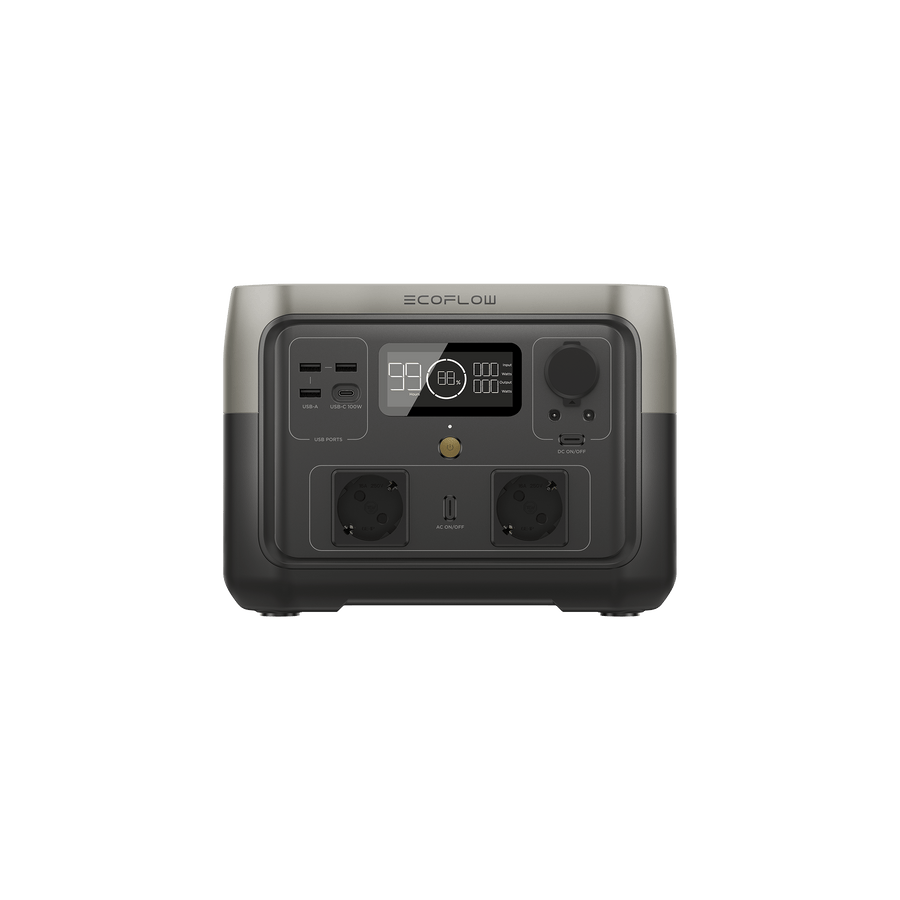
Choose the RIVER 2 Max if you need to recharge the station through USB-C; choose the lighter Jackery 500 v2 if carrying weight matters more.
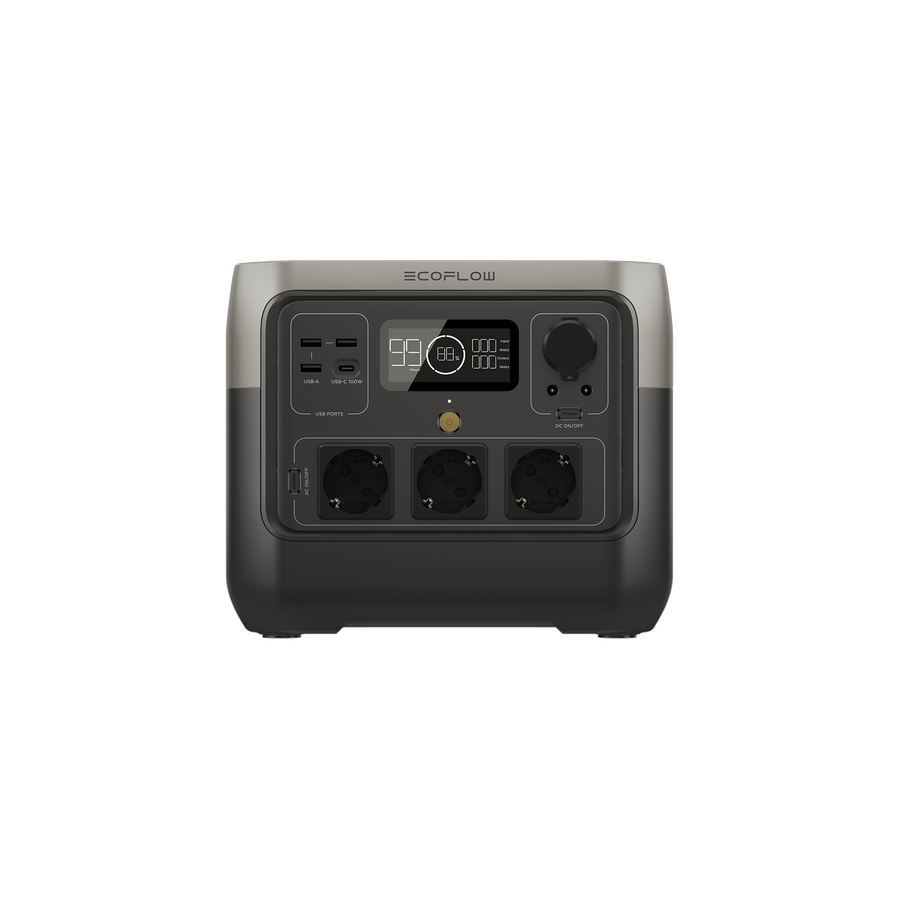
Choose it when 512 Wh is too little but carrying a 1 kWh station feels excessive.
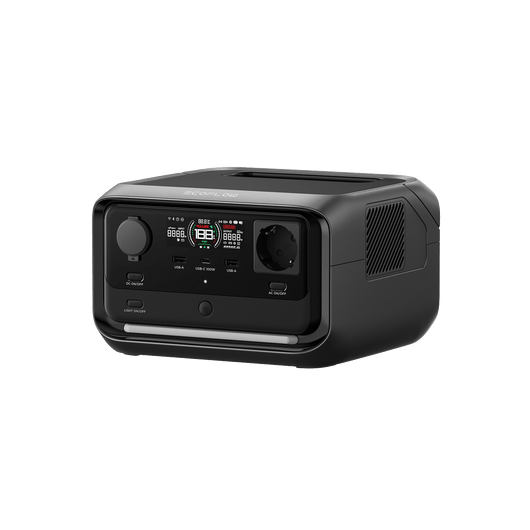
A compact option if your seller confirms support for your exact regional model. The BLUETTI Elite 30 V2 offers similar capacity and output at 4.3 kg.
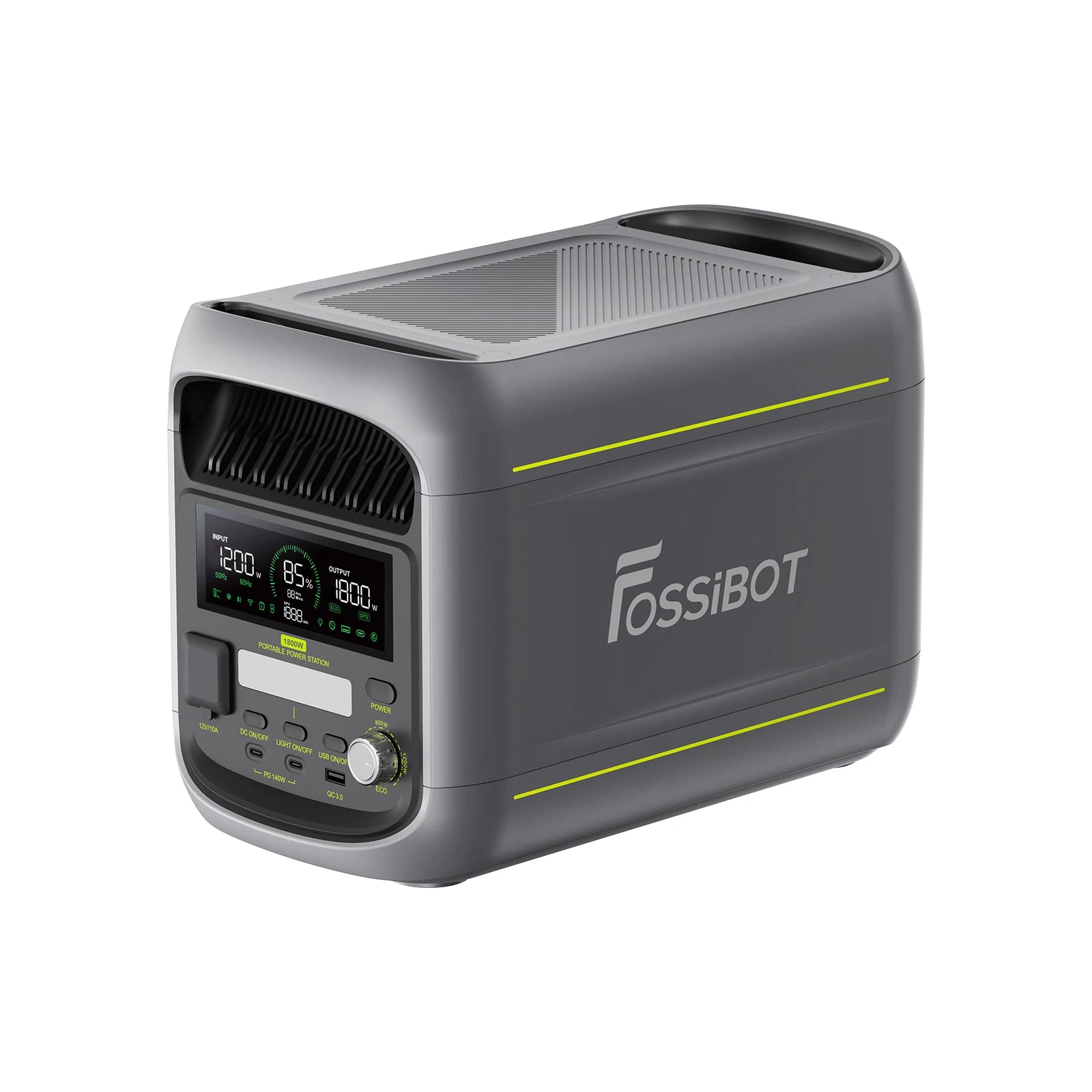
Start with the F1800 for a 1 kWh nominal energy budget; move to the F2400 only when the extra capacity or AC output is needed.
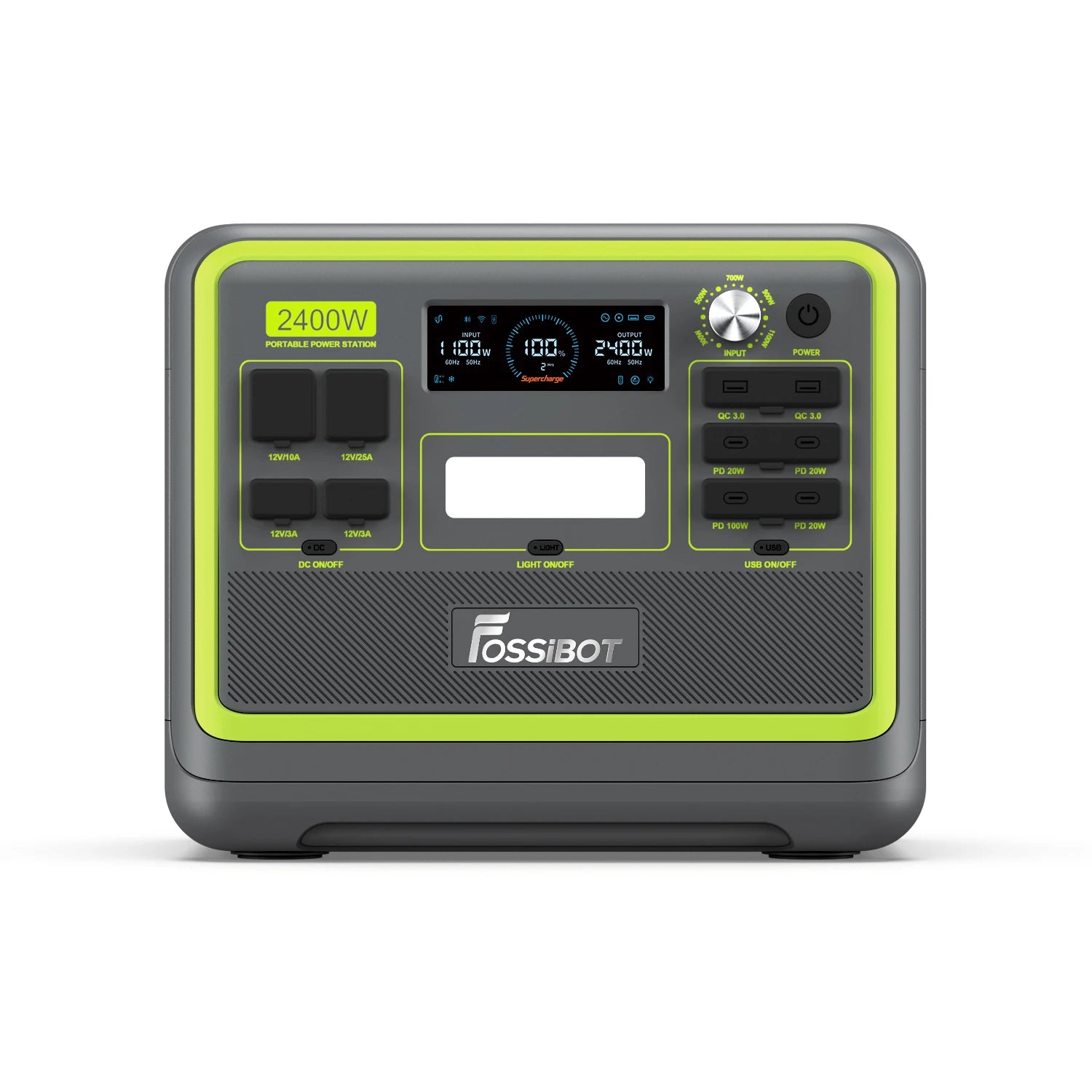
Choose this size when the F1800’s energy budget is too small; plan around a fixed-capacity station and the heavier carry.
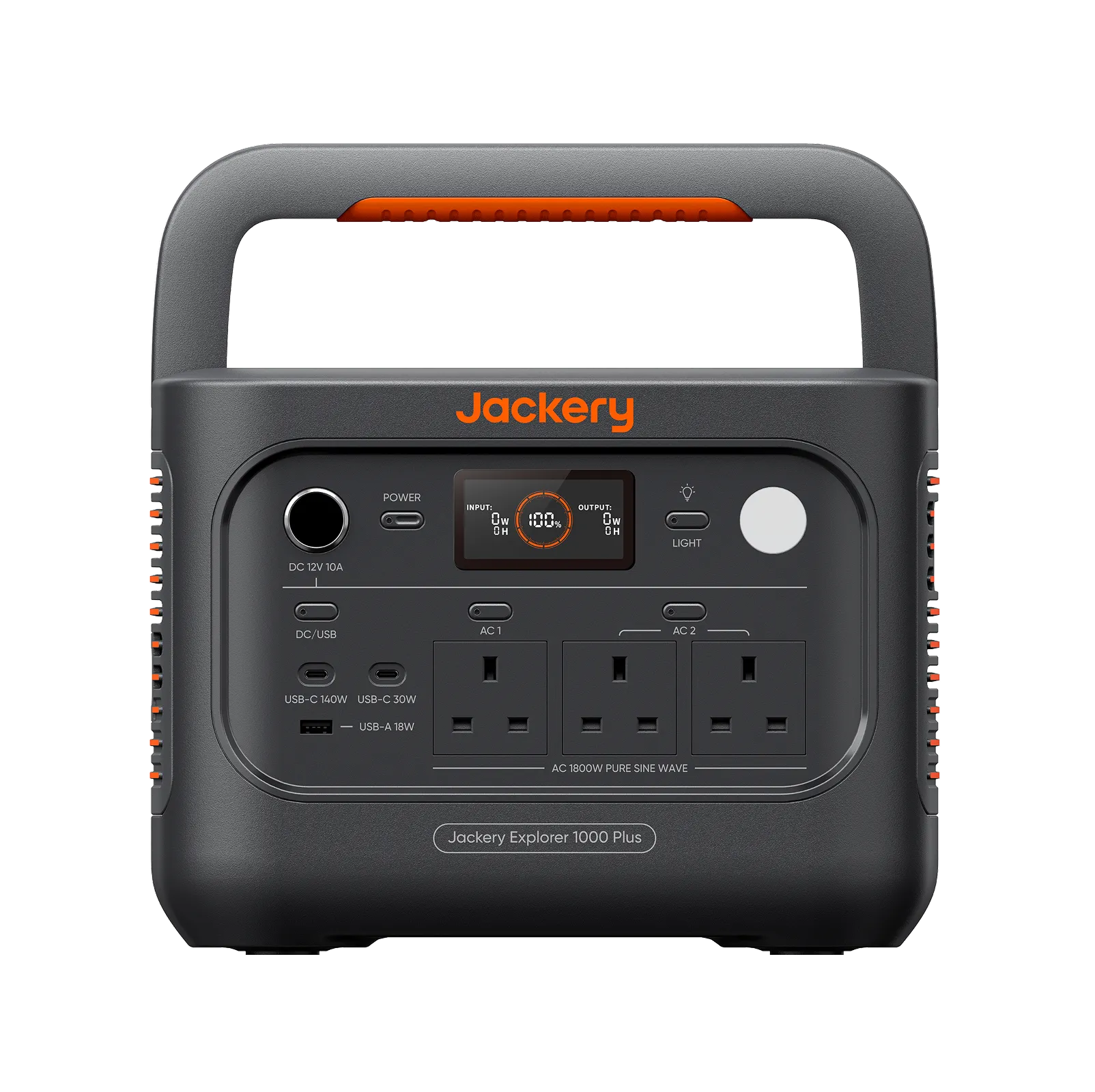
Choose it for expansion or higher running loads; the standard 1000 v2 has slightly more built-in capacity.
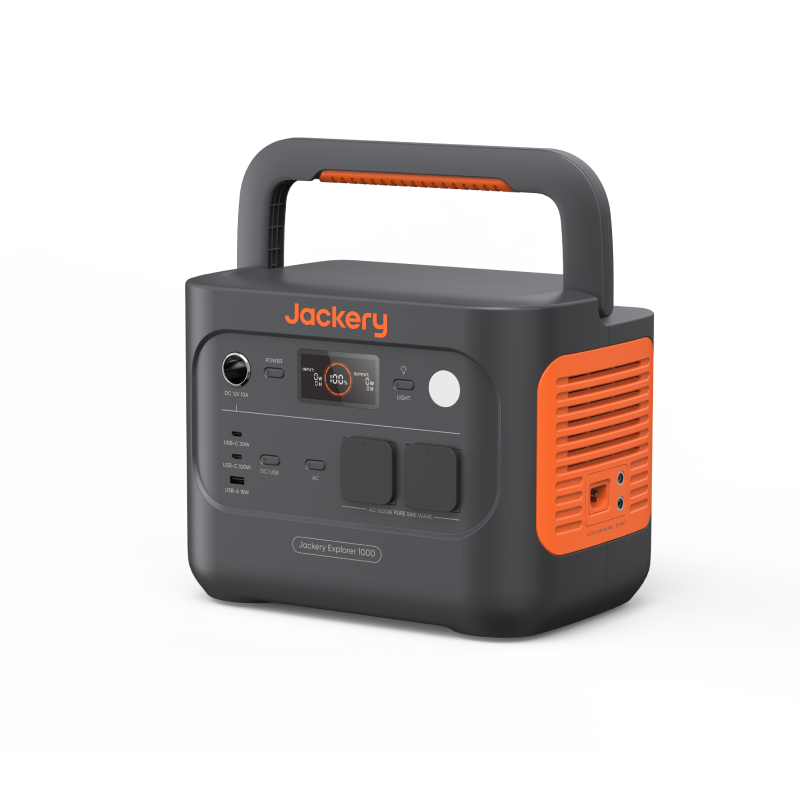
Our starting point if you will carry a 1 kWh station regularly and your equipment stays within its 1,500 W continuous output.
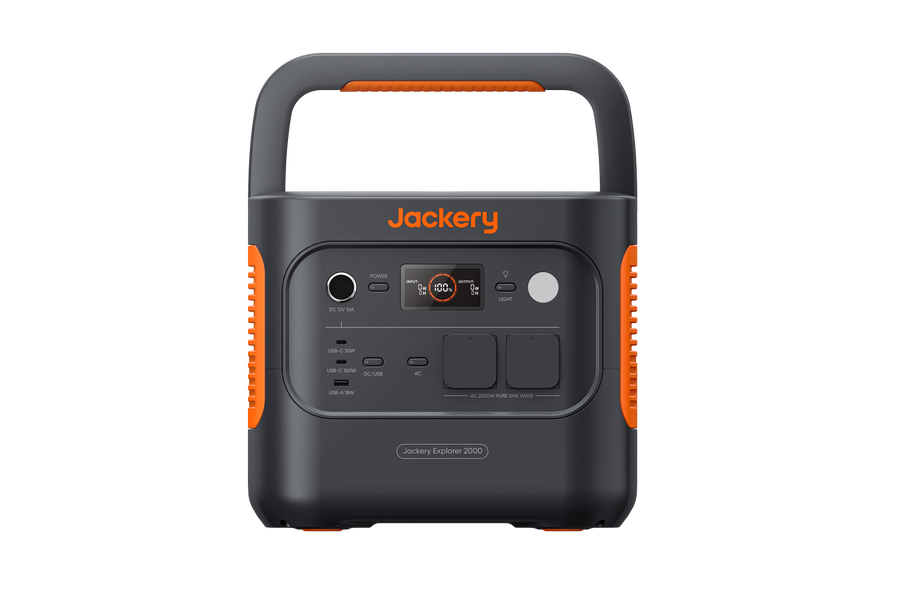
Choose it for nearly twice the stored energy of the Explorer 1000 v2, provided 2,200 W covers your combined running load.
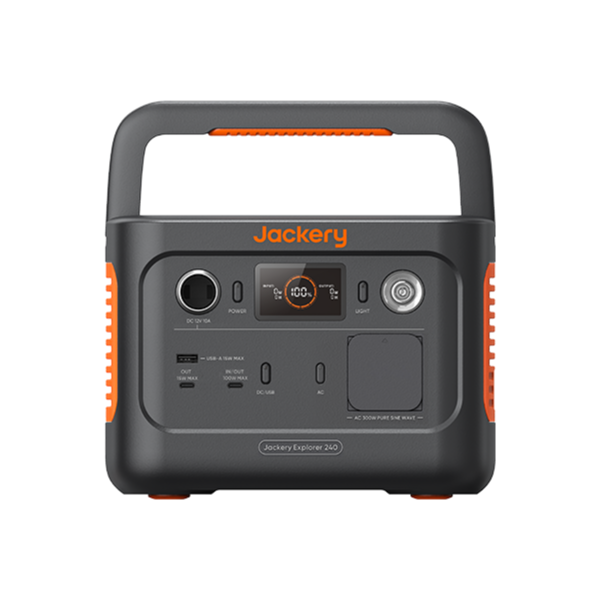
Choose it for a lighter small-station carry; take the Elite 30 V2 when your equipment needs more than 300 W.
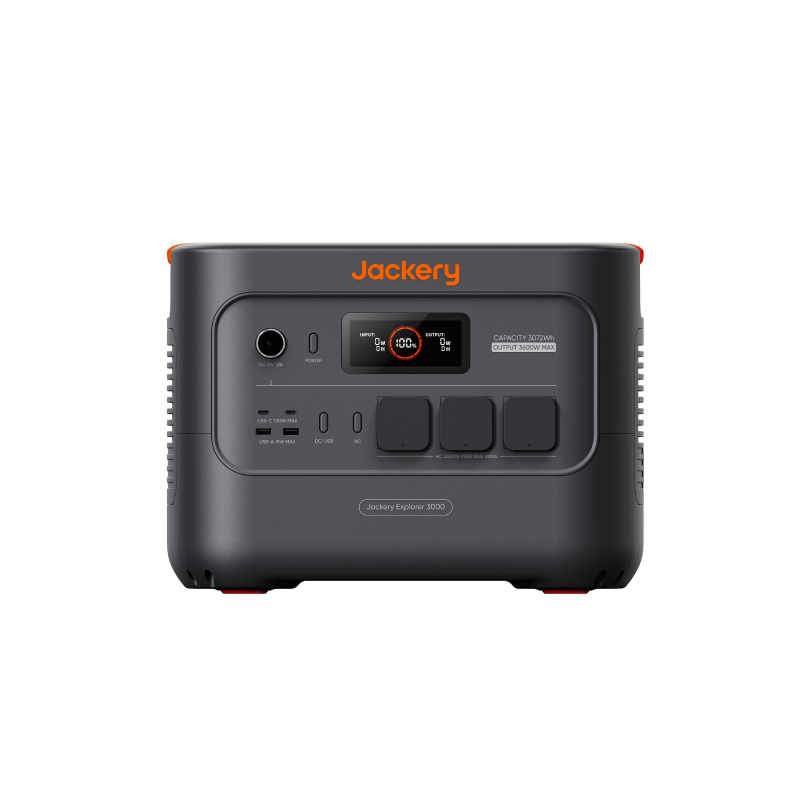
Choose it over the Elite 300 when you need more than 2,400 W of running power; their battery capacities are very similar.
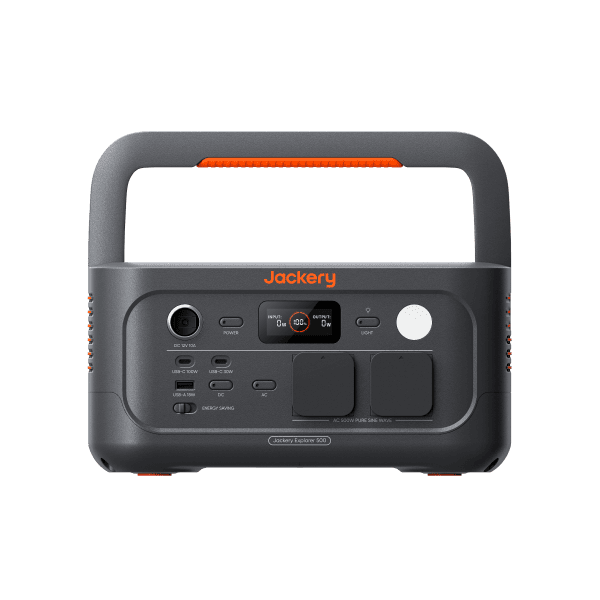
Our preference in the 500 v2 versus RIVER 2 Max pair when carrying weight is the deciding factor.
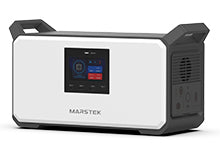
Worth revisiting once the seller supplies a matching regional manual and confirms continuous output; do not choose it on the larger advertised watt figure.
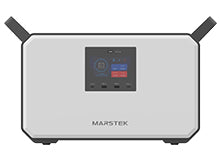
Shortlist it for a mostly stationary setup where extra stored energy matters; start elsewhere for frequent carrying until its weight is established.

Start with the P1000 Plus when a 1 kWh nominal budget is enough; the P2001 Plus doubles capacity but adds 10 kg.
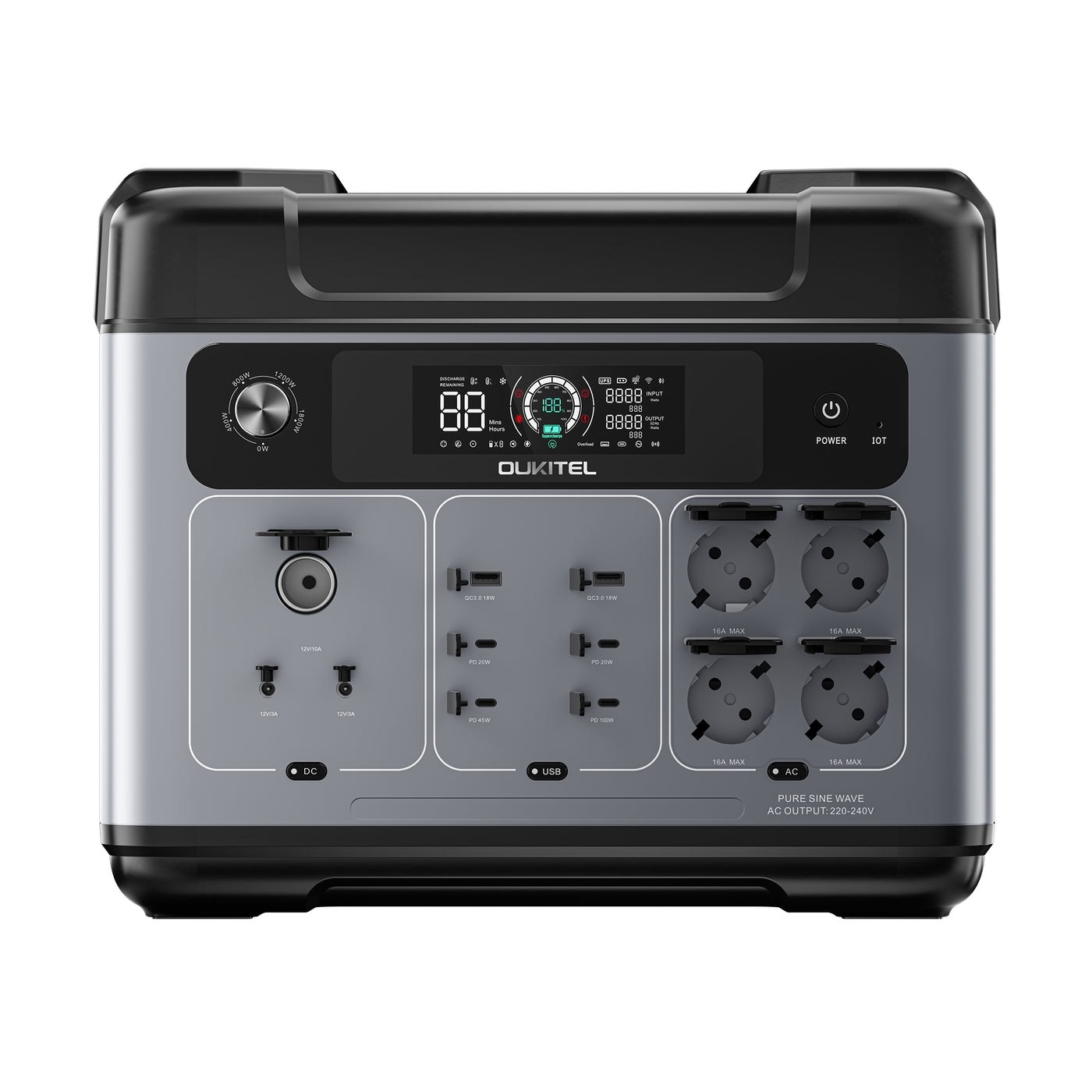
Consider the P2001 Plus when you need twice the P1000 Plus’s capacity and can keep a 22 kg station near the vehicle or work area.
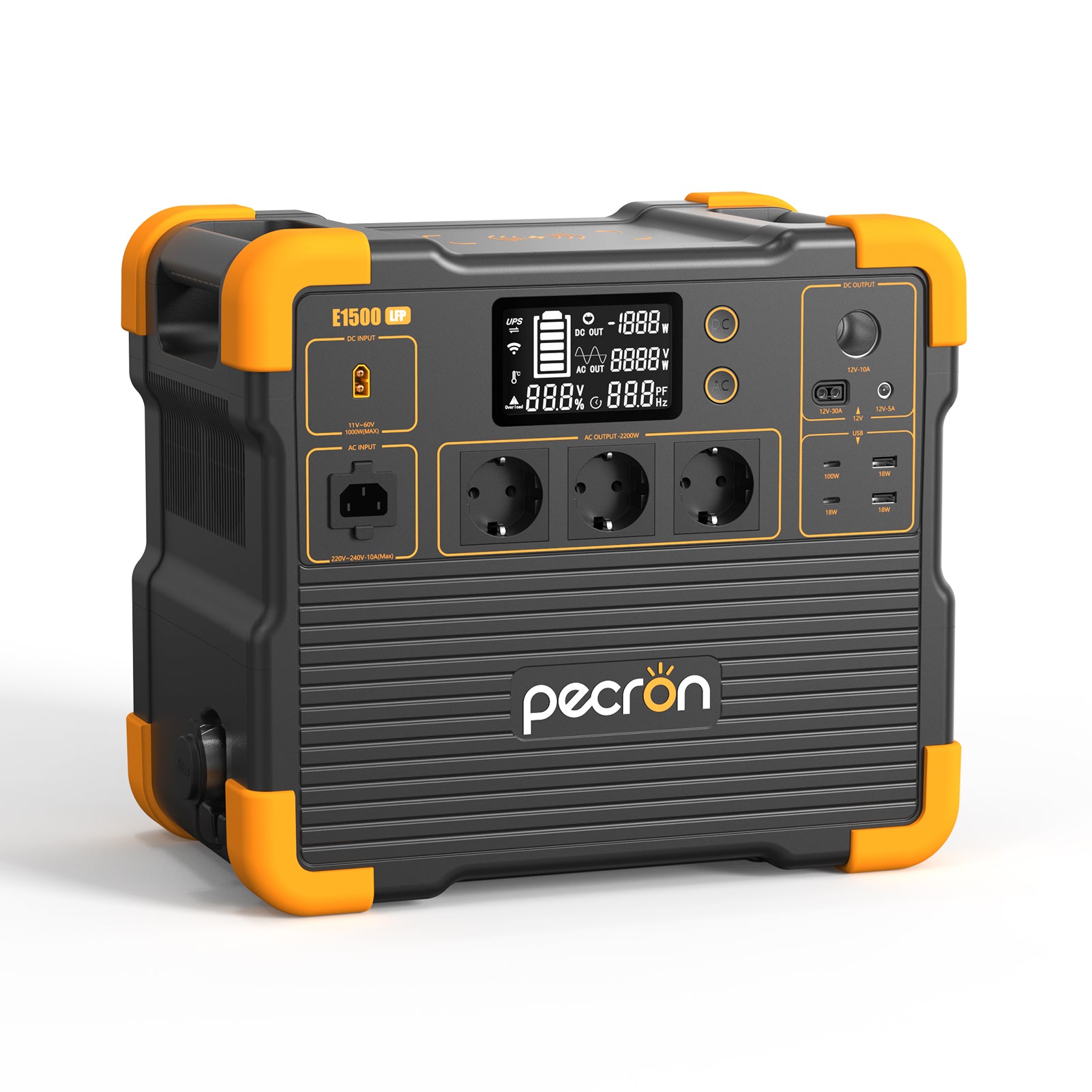
Choose this size when the E500LFP leaves an energy or output shortfall and the station can stay close to the vehicle.
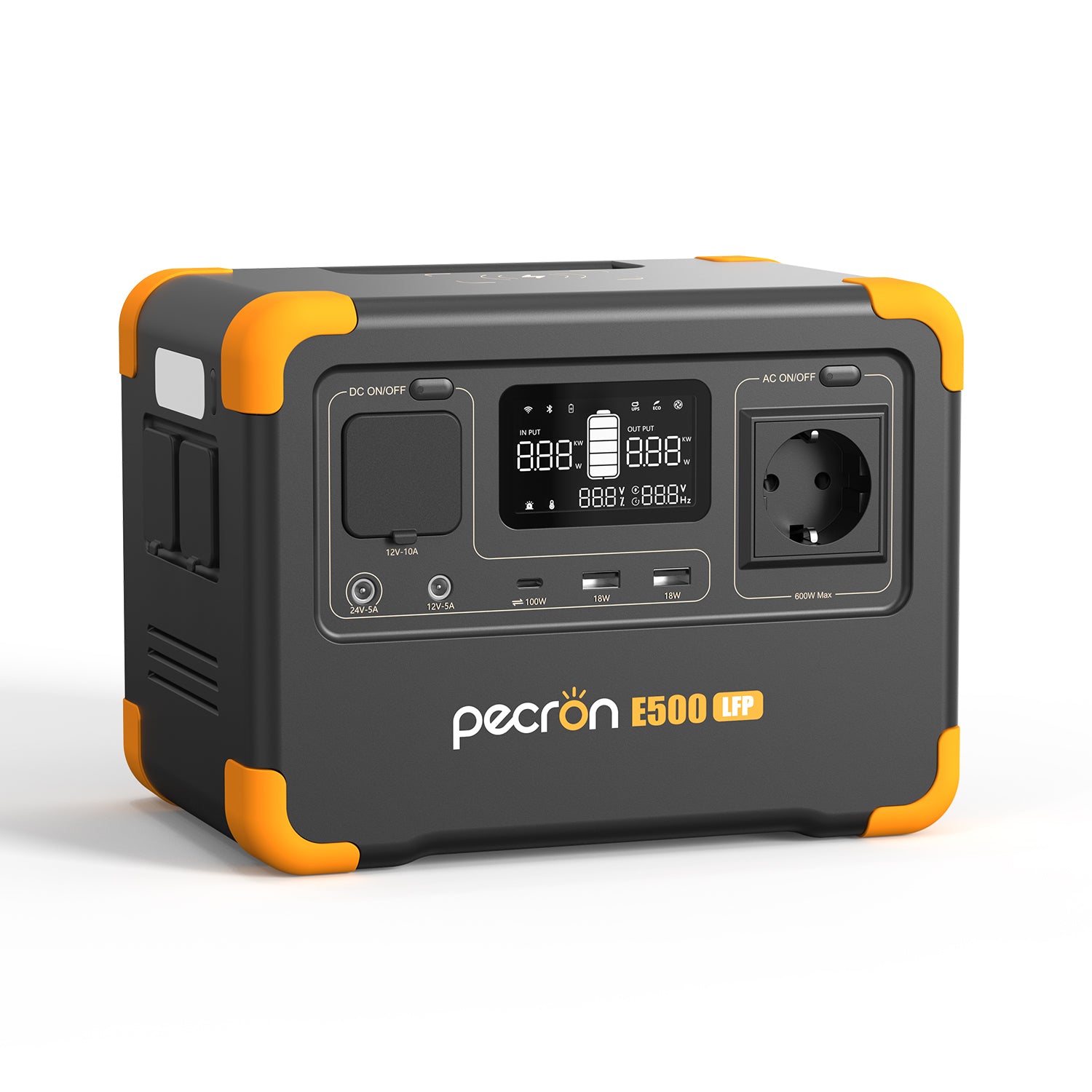
Consider the E500LFP for modest loads and easier carrying; the E1500LFP trades substantially more weight for capacity and output.

Compare it for vehicle-based trips or a work setup that needs more energy than the Jump 600X; allow for the much heavier carry.
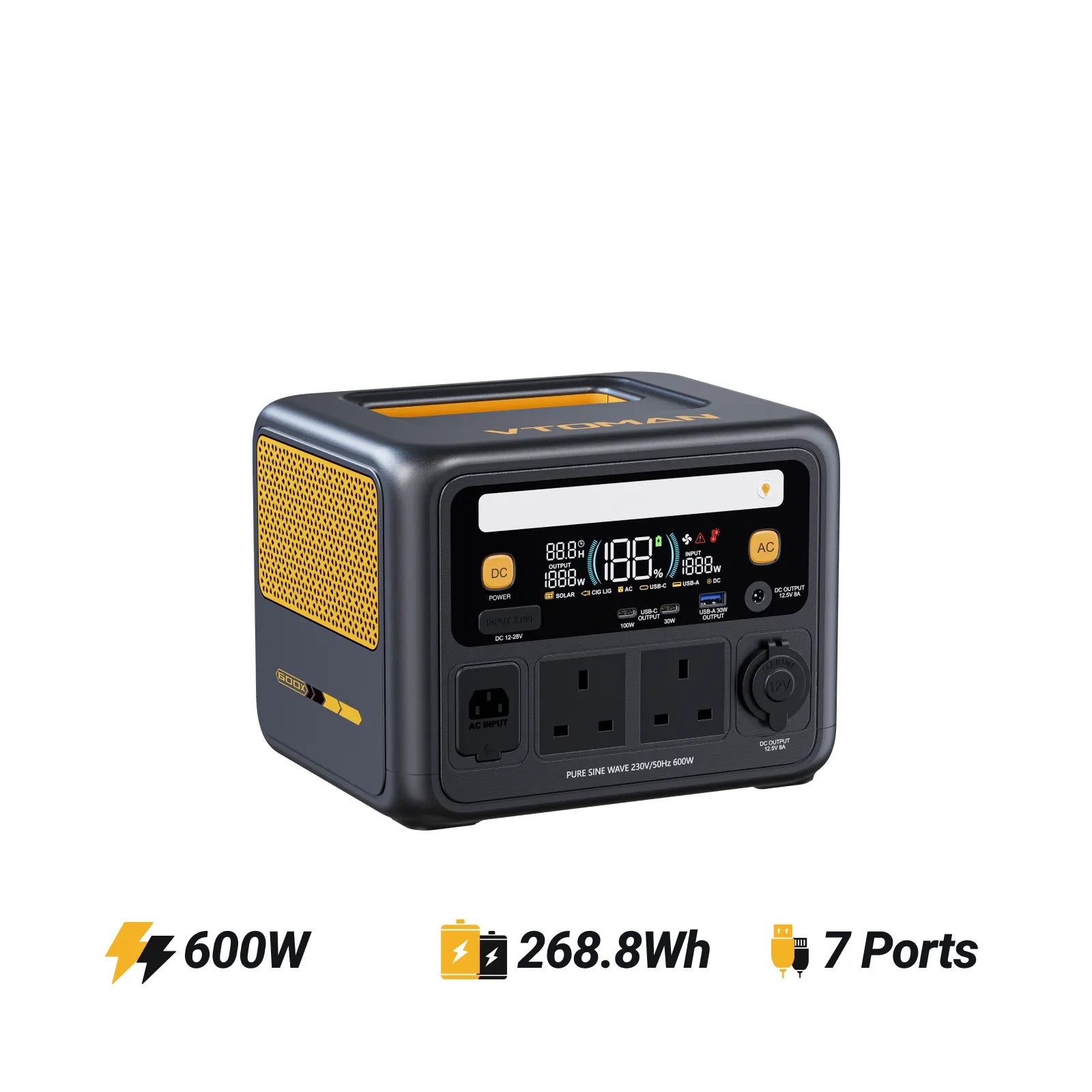
Start here for a small camping or mobile-work energy budget where carrying weight matters more than long gaps between charging.
Try removing a filter or increasing your limit. Missing data can also exclude a model.